
English| EUR
Suggested for you
More currencies
Choose a language
Downtown Nashville draws millions of visitors each year to its honky-tonk corridor and riverfront, most arriving on foot. Pedestrian safety hinges on crowd density, lighting, and time of day—factors that shift block by block. This guide maps the conditions you'll encounter from Broadway to the Gulch, with arrival windows and route planning that reflect current street patterns.
Quick answer
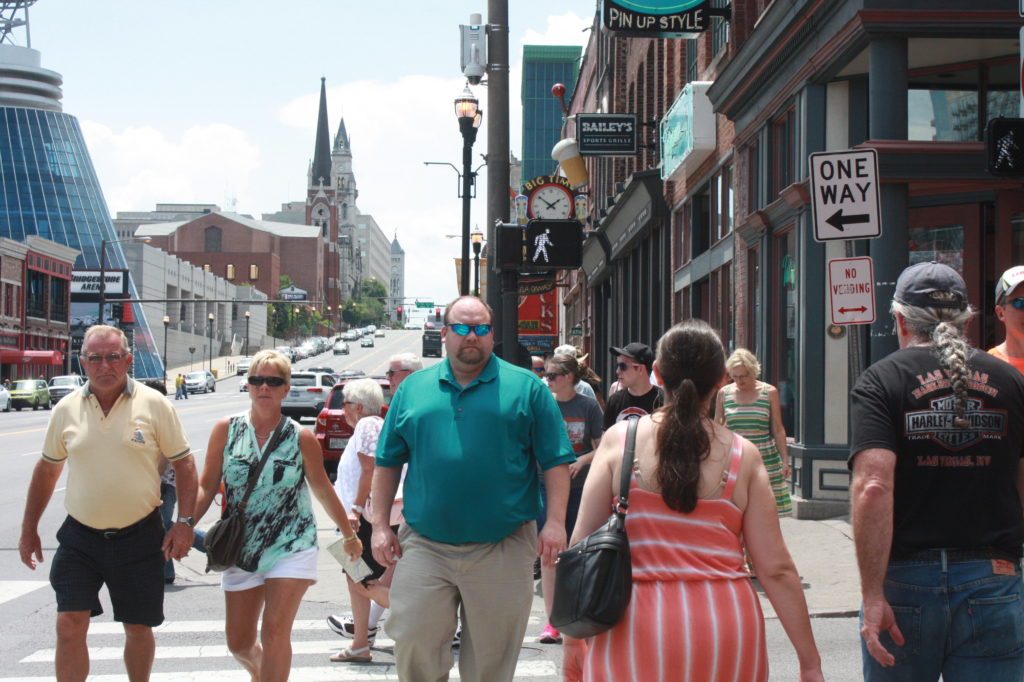
Downtown Nashville is generally safe to walk during daylight hours, particularly between 9:00 AM and 5:00 PM when pedestrian traffic is highest and businesses are fully operational. Lower Broadway, the Gulch, and the Riverfront district maintain consistent foot traffic and lighting until late evening. Risks increase after midnight on side streets with lower visibility, and during large events when crowd density makes navigation unpredictable. Stick to well-traveled corridors, avoid isolated blocks after dark, and remain alert near vehicle crossings where Broadway intersects side streets.
Metropolitan Nashville logs more than fifteen million pedestrian visits annually to its downtown core, a three-square-mile grid anchored by Lower Broadway's entertainment corridor. The district operates as public right-of-way around the clock, with no gates or restricted access, and the majority of safety incidents cluster in three predictable patterns: late-night side streets with sparse lighting, congested crosswalks during peak event hours, and parking garage peripheries after business closures. Pedestrian conditions in Nashville walking districts split cleanly by time and location. Broadway itself—the four-block stretch from First Avenue to Fifth Avenue—maintains steady foot traffic from mid-morning through 2:00 AM most nights, supported by continuous storefront lighting and Metropolitan Nashville Police Department patrols. The Gulch, Printer's Alley, and Riverfront Park hold similar density during daytime hours but thin considerably after 10:00 PM on weekdays. Residential conversion streets north of Broadway and the warehouse blocks south of the train station see minimal evening activity, leaving pedestrians without the ambient visibility that crowds provide. Is it safe to walk in Nashville during autumn and winter months? Seasonal factors adjust the calculus. Shorter daylight windows between November and February compress the optimal walking period, and evening temperatures drop enough to reduce the number of people on secondary routes. Broadway remains active year-round, but feeder streets lose their daytime buffer earlier in the afternoon. Spring and summer extend visibility and crowd presence well into the evening, though weekend event surges—particularly during CMA Fest and NFL game days—create crosswalk bottlenecks that require heightened attention at intersections. The infrastructure itself presents uneven conditions. Sidewalks along Broadway, Second Avenue, and Demonbreun Street meet ADA standards with marked crossings and pedestrian signals, while connector alleys and side streets often lack dedicated crosswalks or suffer from faded striping. Vehicle traffic on Broadway moves slowly but unpredictably, especially near valet zones and ride-share pickup points. Visitors walking between Broadway and the Gulch should use Demonbreun or Korean Veterans Boulevard rather than cutting through surface parking lots, which eliminate sightlines and street lighting. The John Seigenthaler Pedestrian Bridge offers a dedicated car-free route to the east bank, heavily used during daylight and monitored by security cameras at both approaches.
“Broadway maintains steady foot traffic from mid-morning through 2:00 AM most nights, supported by continuous storefront lighting and police patrols.”
Walking in Downtown Nashville is a public activity that requires no admission fees. Access to all streets and sidewalks is provided to the public at no cost.
Verdict: A typical visitor pays 0 USD to walk in downtown Nashville, as there are no fees associated with pedestrian access.
Downtown Nashville is centrally located and highly accessible via major thoroughfares and public transit hubs. Visitors arriving by car or bus should aim for high-traffic corridors to enter the pedestrian-friendly core.
WeGo Public Transit to Central Terminal
I-65 or I-40 to Downtown exits
Drop-off at Broadway and 2nd Avenue
For the safest and most efficient entry, prioritize arrival during the best arrival window of 09:00–17:00. Utilize major intersections like Broadway and 2nd Avenue for high-visibility access to the city center.
Visitors often underestimate how quickly Nashville's walkable core transitions into less-patrolled peripheral blocks, or they ignore basic urban navigation practices that keep pedestrians visible and secure.
Walking alone late at night in poorly lit areas
Stay within the well-lit Broadway and Lower Broadway corridors after dark, or use rideshare services for late-night transit. Group travel significantly reduces risk.
Ignoring pedestrian crossing signals and jaywalking across busy streets
Downtown Nashville has heavy vehicle and tour-bus traffic. Always use marked crosswalks and wait for signals, especially along Broadway and 2nd Avenue.
Stopping in the middle of crowded sidewalks to check directions
Step to the building edge or into a doorway alcove to consult maps or phones. This keeps foot traffic flowing and reduces your visibility as a distracted target.
Wearing headphones that block situational awareness entirely
Keep one ear open or use low-volume settings so you can hear approaching vehicles, cyclists, or verbal alerts from other pedestrians.
Wandering into surface parking lots or alleys between honky-tonks
These transitional zones lack the foot traffic and lighting of main streets. Stick to Broadway, 5th Avenue, and the riverfront promenade where pedestrian density remains high.
Assuming all downtown blocks are equally safe after sunset
The entertainment district (Broadway to the Gulch) maintains strong visibility and police presence. Blocks north of Jefferson or east of 1st Avenue thin out quickly and warrant caution after dark.
Downtown Nashville's pedestrian environment requires urban awareness: busy intersections, vehicle traffic, and scooter lanes share space with foot traffic. Following basic street etiquette keeps you safe and avoids disrupting locals.
Everything you need to know about is it safe to walk in nashville
While downtown areas remain active, it is generally recommended to stick to well-lit, populated streets after dark. Evaluating is it safe to walk in Nashville often depends on situational awareness and remaining in areas with high pedestrian traffic.
Downtown Nashville features a compact grid that is highly walkable, making it easy to navigate between major landmarks and venues. Most visitors find that exploring on foot is the best way to experience the local music scene and cultural heritage.
For solo travelers, is it safe to walk in Nashville is a common concern that is best addressed by staying in busy areas like Broadway. By keeping to main thoroughfares and avoiding deserted alleys, you can enjoy your stroll with peace of mind.
When considering is it safe to walk in Nashville, we suggest keeping your belongings secure and staying aware of your surroundings at all times. Utilizing guided walking services can also provide added comfort and local navigation expertise during your visit.
Families often find the central district accessible and enjoyable, provided they stay on marked sidewalks and cross at designated signals. Checking if it is safe to walk in Nashville with little ones involves observing the same common-sense precautions used in any major metropolitan center.
The best arrival window is 09:00–17:00, which provides an optimal balance of daylight and visibility for your exploration. This timeframe ensures you have access to visitor services while enjoying the most vibrant parts of the city.
Access to public streets and sidewalks is completely free of charge. You can explore the city at your own pace without needing to worry about entry fees for navigating the downtown area.
Nashville Walking Tour Maps and Apps
Read more GuideSelf-Guided Nashville Walking Tour Guide
Read more Tickets & toursNashville Ghost and True Crime Tours
Read more GuideFree Nashville Walking Tours
Read more GuideIs Nashville Worth Visiting?
Read more Tickets & toursNashville Food Walking Tours
Read more Tickets & toursNashville Drinking and Brewery Tours
Read more